
bg-blog-articles

Author: Dionisie Gitlan

Dionisie has been writing for SSL Dragon for over 10 years, focusing exclusively on SSL certificates and digital security. He specializes in breaking down complex cybersecurity topics into clear, jargon-free guidance, giving readers the practical information they need to keep their websites safe.

Articles by Dionisie Gitlan

Microsoft 365 services to replace Root Certificate in 2025

Root SSL certificates are at the core of the SSL chain of trust. Certificate Authorities use them to issue server certificates to end-users. Browsers and apps include root certs in their installation pack and can swiftly revoke them during security incidents. CAs replace root certificates well in advance before they expire. Certificate Authorities store the […]
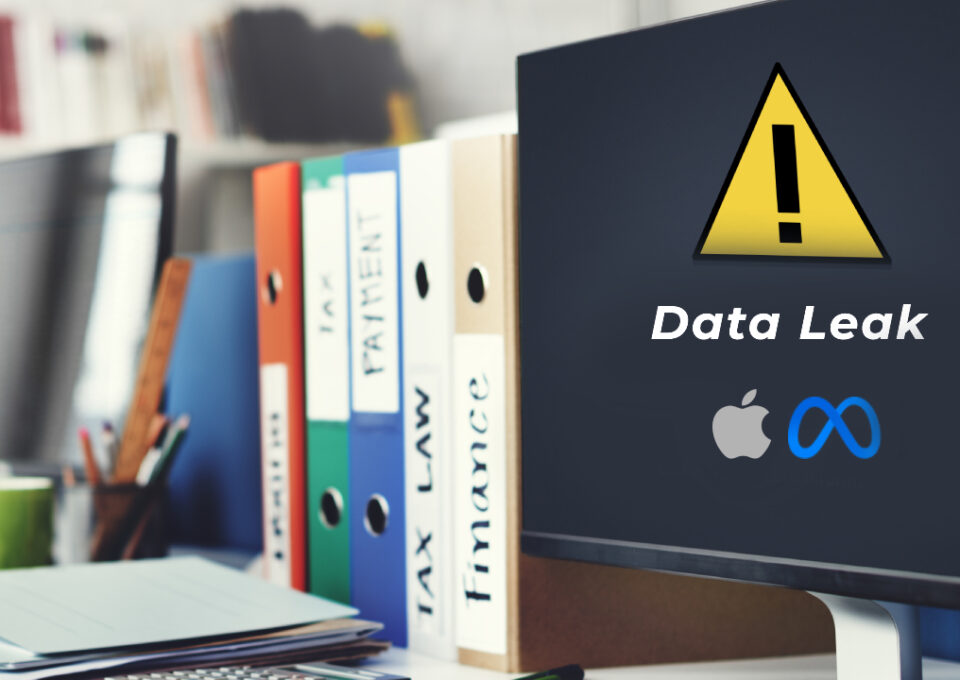
Apple and Meta Caught in a Data Leak Blunder

Apple and Meta are two companies you least expect to be scammed. But it’s not the first time Big Tech giants are making the headlines for the wrong reasons. This time, hackers pretending to be law enforcement officials obtained customer data from the two powerhouses. The same group has also targeted Snap Inc and the […]

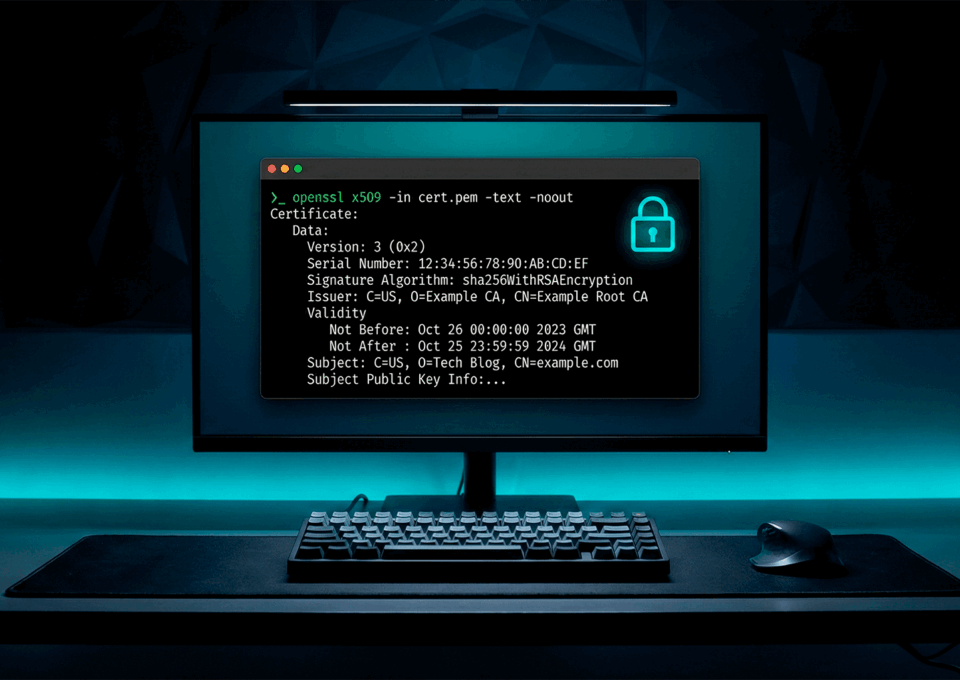
How to Check a Certificate With OpenSSL

If you manage a website or server, checking your SSL/TLS certificate regularly is one of those tasks you can’t afford to skip. An expired or misconfigured certificate means browser warnings, broken trust, and potential downtime. OpenSSL — the open-source command-line toolkit used on virtually every Linux distribution, macOS system, and available on Windows — gives […]

What Is a Legal Entity Identifier (LEI) and How Does It Work?

At the dawn of the 21st century, businesses and customers couldn’t always establish the legal identity of parent companies because there wasn’t a universal code identifying each legal entity. The lack of such an identifier led to many frauds that culminated in the 2008 market crash. When the dust settled, G20 introduced the concept of […]

Organizational Unit Fields to be Removed from SSL Certificates

Since the introduction of SSL by Netscape in 1994, digital certificates have grown along with the entire Web. Through trials and errors, innovations, and adjustments, the SSL certificates have been constantly refined to meet the most rigorous security needs. The reduction of SSL validity to just one year and the removal of the green address […]

Firefox SSL Error Makes Microsoft.com Unaccessible

SSL errors are never a pretty sight. You may encounter one in the most unexpected places, as no one is “immune” from them, even powerhouses such as Microsoft. This week, Mozilla Firefox web browser users could not access Microsoft.com and its subdomains. Reports worldwide indicated that the error stemmed from Firefox itself, as all Microsoft […]

File-Based Wildcard Validation to be discontinued in November

All commercial Certificate Authorities require Domain Control Validation (DCV) before issuing an SSL certificate. Up until now, you could choose one of three methods to confirm domain ownership. But starting from November 15 you will no longer be able to use the HTTP/HTTPS hashing method for validating Wildcard domains. You’re left with two options: Before […]

Let’s Encrypt faces compatibility issues with older Android devices

Update: Let’s Encrypt has found a solution that allows Android devices to remain compatible with their certificates. You can read about the extended compatibility here. Since its inception, Let’s Encrypt has issued over a billion free certificates worldwide. The open-source CA has greatly contributed to HTTPS adoption; however, it hasn’t always been smooth sailing. Now, […]

Firefox 83 brings HTTPS-Only Mode to Users

HTTPS has long become mandatory for websites of all types and sizes. Ever since Chrome began flagging HTTP sites as not secure, HTTPS adoption has skyrocketed. Today, the encrypted traffic across Google has surpassed the 90% mark. While this figure is impressive, outside of Google, in the Web wilderness, plenty of unsecured websites and legacy […]

Your Last Chance to Get a 2-Year SSL Certificate

Beginning September 1, 2020, all TLS/SSL certificates will have a 1-year validity. That’s 13 months or 398 days when you add up the extra 30 days during renewals or replacements. However, with an SSL subscription, you can still get a 2-year SSL certificate. We’ll show you how further down the line. The current TLS/SSL lifespan, […]