

bg-blog-articles

Author: Dionisie Gitlan

I've been writing for SSL Dragon for over 10 years, focusing entirely on SSL certificates and digital security. My job is to take complex cybersecurity topics and strip away the jargon, making sure you get the clear, practical information you need to keep your website safe.

SSL vs TLS: Key Differences Explained Simply

Understanding the difference between SSL and TLS is crucial for anyone concerned with internet security. Both protocols are designed to safeguard online communications, but TLS has emerged as the more secure and modern alternative to SSL. While SSL once protected data exchanges, its vulnerabilities led to the development of TLS, which now powers most HTTPS […]

OV Code Signing Certificates to be Issued on Real Devices

OV Code Signing certificates are to software developers like SSL certificates are to a website. Without them, the publisher remains unknown, while the code is highly susceptible to cyber-attacks. As is with any PKI product, protecting Code signing keys is essential. But just like with regular SSL certs, sometimes the keys fall into the wrong […]

Microsoft 365 services to replace Root Certificate in 2025

Root SSL certificates are at the core of the SSL chain of trust. Certificate Authorities use them to issue server certificates to end-users. Browsers and apps include root certs in their installation pack and can swiftly revoke them during security incidents. CAs replace root certificates well in advance before they expire. Certificate Authorities store the […]

Sectigo vs DigiCert – What Differentiates the Leading CAs

Sectigo and DigiCert are two standout SSL brands that top the market share for commercial Certificate Authorities. Both offer full-fledged encryption solutions and a wide range of products to meet different needs. While DigiCert focuses exclusively on the high-assurance market, Sectigo has an SSL certificate for everyone, regardless of size, niche, and budget. New SSL […]

Apple and Meta Caught in a Data Leak Blunder

Apple and Meta are two companies you least expect to be scammed. But it’s not the first time Big Tech giants are making the headlines for the wrong reasons. This time, hackers pretending to be law enforcement officials obtained customer data from the two powerhouses. The same group has also targeted Snap Inc and the […]

How to Check a Certificate With OpenSSL

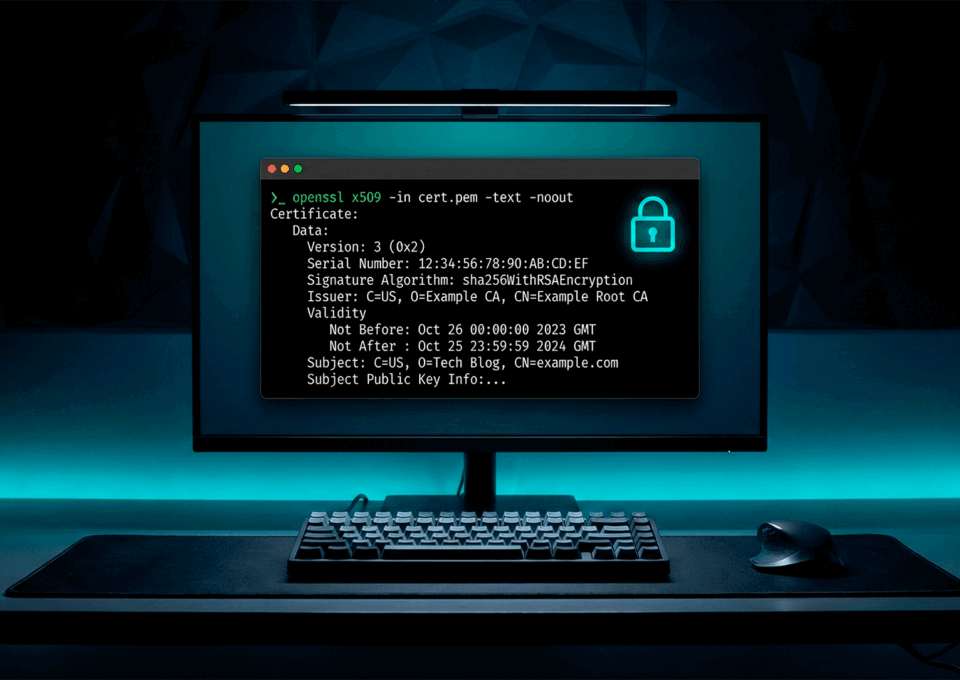
If you manage a website or server, checking your SSL/TLS certificate regularly is one of those tasks you can’t afford to skip. An expired or misconfigured certificate means browser warnings, broken trust, and potential downtime. OpenSSL — the open-source command-line toolkit used on virtually every Linux distribution, macOS system, and available on Windows — gives […]

What Is a Legal Entity Identifier (LEI) and How Does It Work?

At the dawn of the 21st century, businesses and customers couldn’t always establish the legal identity of parent companies because there wasn’t a universal code identifying each legal entity. The lack of such an identifier led to many frauds that culminated in the 2008 market crash. When the dust settled, G20 introduced the concept of […]

Organizational Unit Fields to be Removed from SSL Certificates

Since the introduction of SSL by Netscape in 1994, digital certificates have grown along with the entire Web. Through trials and errors, innovations, and adjustments, the SSL certificates have been constantly refined to meet the most rigorous security needs. The reduction of SSL validity to just one year and the removal of the green address […]

Firefox SSL Error Makes Microsoft.com Unaccessible

SSL errors are never a pretty sight. You may encounter one in the most unexpected places, as no one is “immune” from them, even powerhouses such as Microsoft. This week, Mozilla Firefox web browser users could not access Microsoft.com and its subdomains. Reports worldwide indicated that the error stemmed from Firefox itself, as all Microsoft […]