
hero-blog-1

Industry News

File-Based Wildcard Validation to be discontinued in November

All commercial Certificate Authorities require Domain Control Validation (DCV) before issuing an SSL certificate. Up until now, you could choose one of three methods to confirm domain ownership. But starting from November 15 you will no longer be able to use the HTTP/HTTPS hashing method for validating Wildcard domains. You’re left with two options: Before […]

Let’s Encrypt faces compatibility issues with older Android devices

Update: Let’s Encrypt has found a solution that allows Android devices to remain compatible with their certificates. You can read about the extended compatibility here. Since its inception, Let’s Encrypt has issued over a billion free certificates worldwide. The open-source CA has greatly contributed to HTTPS adoption; however, it hasn’t always been smooth sailing. Now, […]

Firefox 83 brings HTTPS-Only Mode to Users

HTTPS has long become mandatory for websites of all types and sizes. Ever since Chrome began flagging HTTP sites as not secure, HTTPS adoption has skyrocketed. Today, the encrypted traffic across Google has surpassed the 90% mark. While this figure is impressive, outside of Google, in the Web wilderness, plenty of unsecured websites and legacy […]

Your Last Chance to Get a 2-Year SSL Certificate

Beginning September 1, 2020, all TLS/SSL certificates will have a 1-year validity. That’s 13 months or 398 days when you add up the extra 30 days during renewals or replacements. However, with an SSL subscription, you can still get a 2-year SSL certificate. We’ll show you how further down the line. The current TLS/SSL lifespan, […]

Let’s Encrypt Bug Makes One Million Certificates Non-compliant

Let’s Encrypt is a popular, free, and open-source Certificate Authority run by Internet Research Security Group (ISRG) with more than one billion certificates issued to websites worldwide. While no one denies the company’s enormous contribution to HTTPS adoption across the WEB, unfortunately, Let’s Encrypt certificates aren’t immune to bugs or malicious exploitation. The latest setback […]

Apple’s Safari Browser to Limit SSL Validity to One Year

The lifespan of SSL certificates has always been a hot topic. Initially set at 5 years for Domain Validation and Business Validation certificates, the SSL validity was first reduced to 4 years during the migration from SHA-1 to SHA-256 hash algorithm. Then, in 2015, it was capped at three years, and finally, in 2018, reduced […]

61% of World’s Politicians don’t use HTTPS

SSL certificates have become an essential security element for any site. With HTTPS now mandatory, stumbling upon an unsecured website has become such a rare occurrence that users are now suspicious of the lack of security standards and professionalism whenever they visit a site over HTTP.  With Chrome and other popular browsers flagging HTTP websites […]

What is new in TLS 1.3? A quick overview

TLS (Transport Layer Security) is the cryptographic protocol that provides communication security to all modern websites. First released in 1999 as an upgrade to now-deprecated SSL 3.0, TLS 1.0 evolved into TLS 1.1 and then, in 2008, into the current TLS 1.2 version. While TLS 1.2 has been an enormous success over the last ten years, […]

Sectigo Acquires Icon Labs and Launches IoT security Platform

Sectigo (formerly Comodo CA) has acquired Icon Labs, a security company providing cross-platform solutions for embedded OEMs (Original Equipment Manufacturers) and IoT (Internet of Things) device manufacturers.  With the IoT market expected to reach more than 75 million devices by 2025, securing connected devices across an ecosystem has become a top priority for the leading […]

Firefox 66 update redesigns SSL error messages

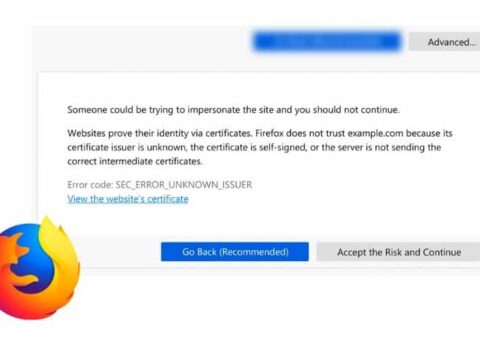
Firefox 66, the latest version of the popular browser introduced several new features including block autoplay (prevents a website from automatically playing sound), improved search experience, smoother scrolling, and many more. The new release also came with redesigned SSL error messages to help users better understand the risks of an unsecure connection. If the Firefox […]