



Every website needs an SSL certificate now, but not all certificates work the same way. If you’re on shared hosting, your provider probably gave you a “free SSL certificate.” The thing is, this shared SSL certificate comes with some serious drawbacks that could hurt your business.
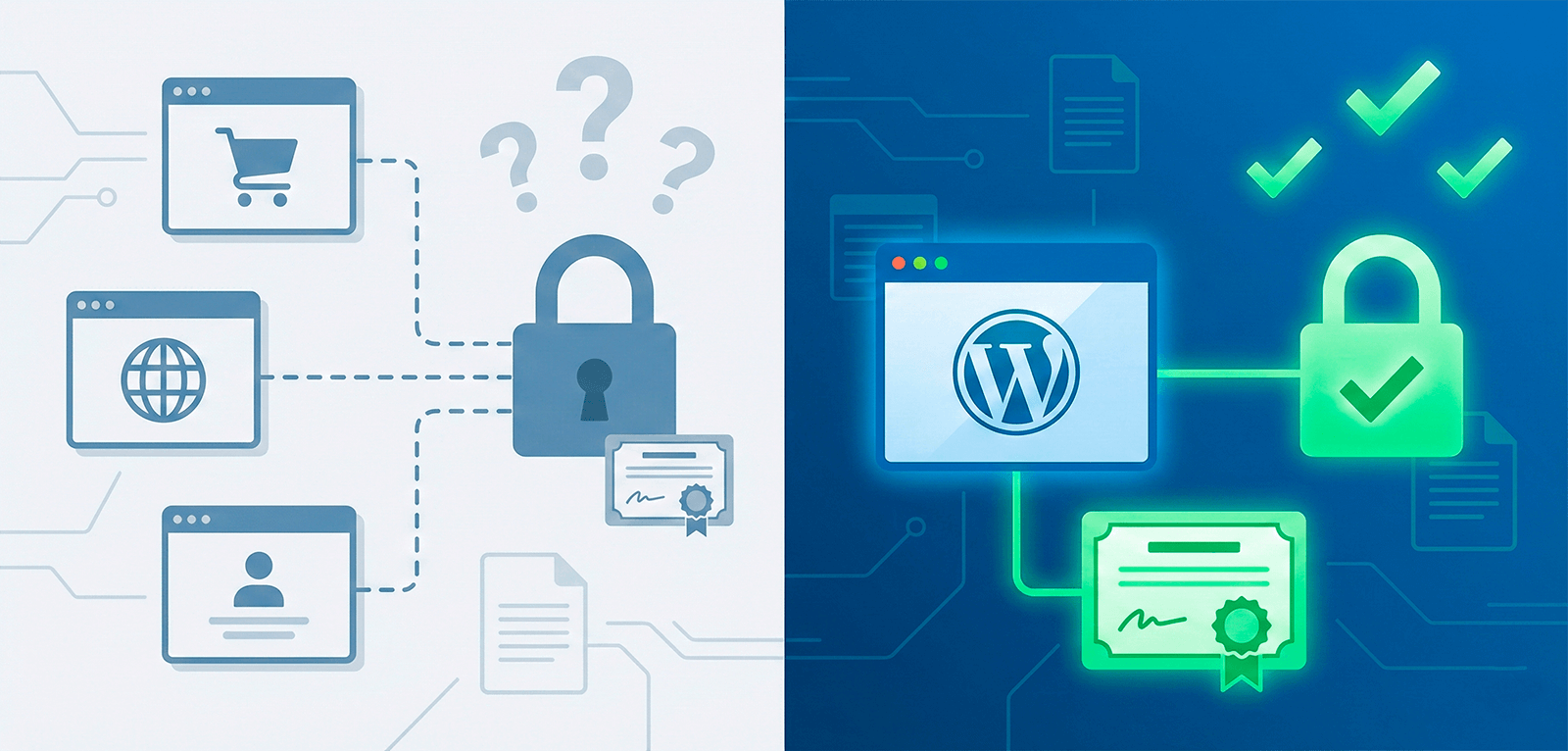
This article explains what a shared SSL certificate actually is, how it works, and why most websites need something better. By the end, you’ll know exactly which type of certificate makes sense for your website.
Table of Contents
- What Is a Shared SSL Certificate?
- How Does a Shared SSL Certificate Work?
- Critical Limitations of Shared SSL Certificates
- What Is a Dedicated (Private) SSL Certificate?
- Shared SSL vs. Dedicated SSL: Side-by-Side Comparison
- When Shared SSL Might Be Acceptable
- Why Choose a Dedicated SSL Certificate for Your Website
- Secure Your Website with SSL Dragon
Save 10% on SSL Certificates when ordering from SSL Dragon today!
Fast issuance, strong encryption, 99.99% browser trust, dedicated support, and 25-day money-back guarantee. Coupon code: SAVE10

What Is a Shared SSL Certificate?
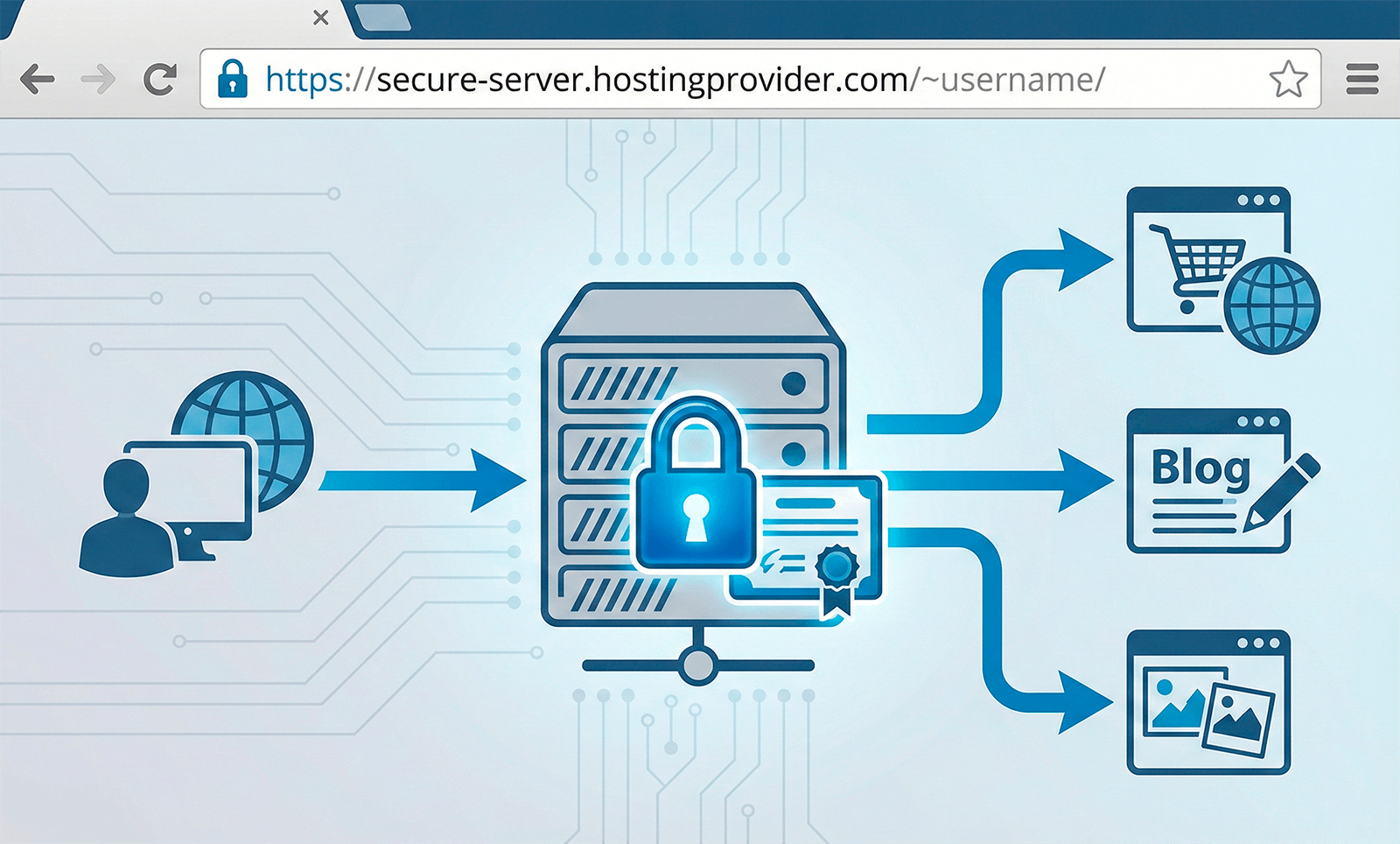
A shared SSL certificate is an SSL certificate installed on a web server in a shared hosting environment. Multiple websites use the same certificate because they all sit on the same IP address.
Here’s the key part: the certificate isn’t issued to you. Your hosting provider owns it, signs it, and manages it. When visitors check the certificate details, they see your provider’s hostname, not your actual domain name. You have zero control over this certificate.
Think of it like sharing a building address instead of having your own. The mail still gets to you, but the official address belongs to someone else.
Hosting providers use shared SSL certificates because it’s cost-effective. They can offer “free SSL” to hundreds of customers using just one certificate. The main distinction from a dedicated certificate? Ownership and control. With dedicated SSL, the certificate belongs to you and shows your domain name.
How Does a Shared SSL Certificate Work?
Your hosting provider installs the certificate on their server hostname. All websites on that shared server use the same certificate and IP address. When someone visits your site using shared SSL, the URL structure changes to something like https://secure-server.hostingprovider.com/~username/.
Your browser establishes a secure connection using the provider’s certificate. You get the HTTPS padlock in the address bar, and data transfers over the encrypted port 443.
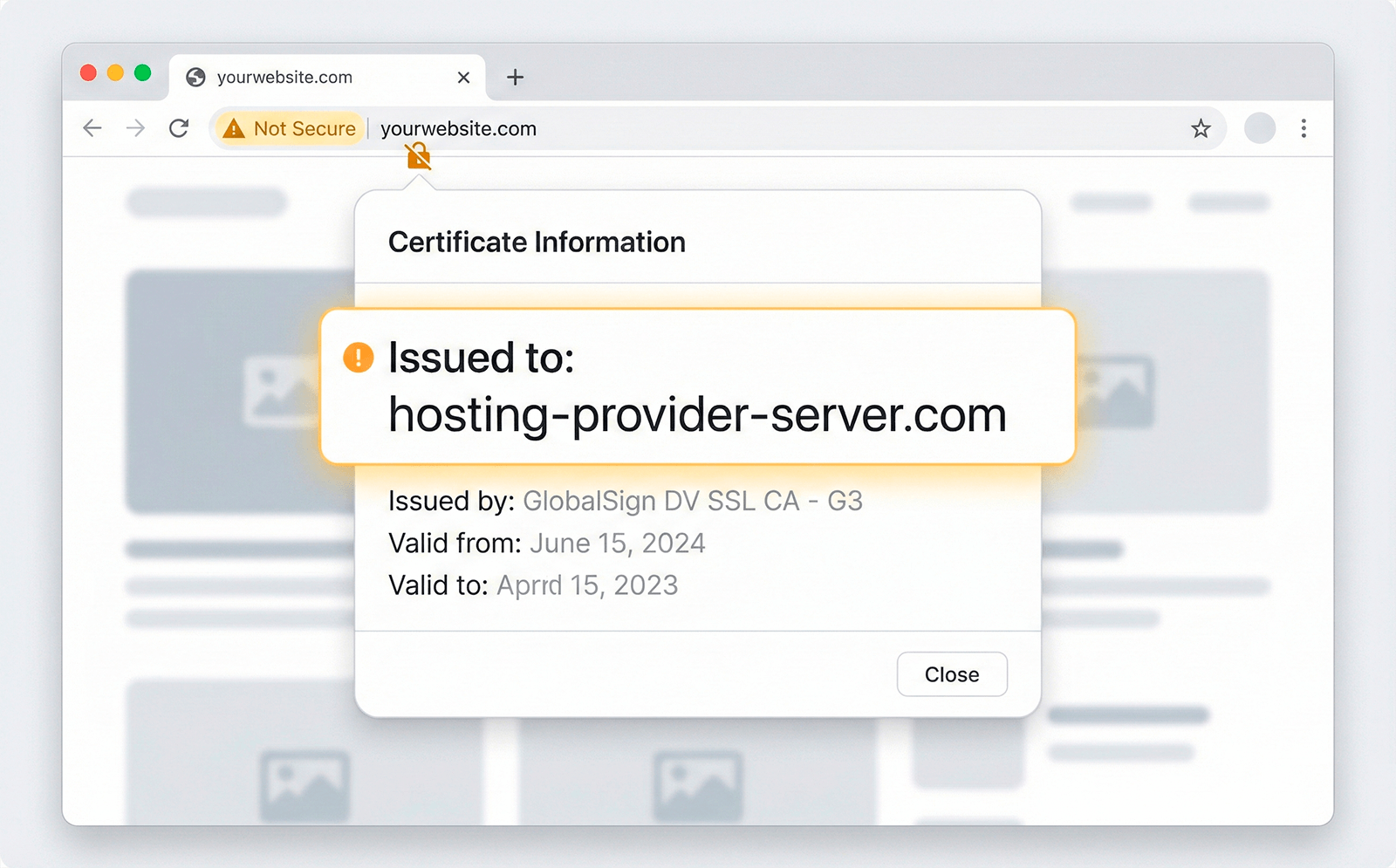
But check the certificate details. Click that padlock icon and look at the information. The certificate shows your hosting provider’s name and hostname, not your website’s domain. For visitors who know what they’re looking for, this mismatch is obvious. Your domain says yourwebsite.com, but the certificate says hosting-provider-server.com.
Non-technical visitors might not notice, but technically aware ones will question it immediately. The server knows how to route requests to your specific website even though multiple sites share the same certificate. It works from an encryption standpoint. The problems show up in other areas.
Critical Limitations of Shared SSL Certificates
Shared SSL certificates provide basic encryption, but they create significant problems that affect security, trust, and your ability to grow your business.
Not Installed on Your Domain Name
The certificate displays your hosting provider’s hostname instead of your actual domain. When visitors check the certificate details (and some will), they see a mismatch. Your website name and the certificate domain name don’t align.
Technically aware visitors will question this immediately. It looks suspicious even when everything is legitimate. Potential customers might hesitate or back out completely. You lose the trust-building opportunity that comes from having a certificate that matches your domain.
This also means zero brand recognition. The certificate can’t reinforce your company name or build confidence in your site.
No Business Name or Organization Details
A shared SSL certificate doesn’t include your business or organization name anywhere. There’s no way to verify your company identity through the certificate.
For businesses that rely on their website for revenue, this is a real problem. E-commerce sites, professional services, any business where trust matters, you’re missing a critical trust signal.
Dedicated certificates (especially Organization Validation and Extended Validation types) show verified business information. Shared SSL certificates show nothing about your business. Visitors have no way to confirm they’re dealing with a legitimate company.
Serious Security Risks
You have no direct control over the certificate. You can’t modify security configurations or update certificate settings. If the shared certificate gets compromised, every website on that server faces risk.
Your security depends entirely on your hosting provider’s practices and the behavior of other sites on your server. You can’t implement your own security policies. You can’t revoke or update the certificate independently if problems arise.
This leaves you vulnerable to man-in-the-middle attacks and other security issues affecting the shared server environment. The encryption works, but the control gap creates exposure you can’t fix yourself.
Limited Flexibility and Control
You’re stuck with whatever your hosting provider offers. You can’t customize the certificate to match your needs. You can’t choose a different Certificate Authority. You can’t upgrade to Organization Validation or Extended Validation.
Want to add multiple domains or subdomains? Can’t do it with shared SSL. Your provider might change the certificate without warning. You’re at the mercy of their decisions and infrastructure.
For businesses with specific security requirements or compliance needs, this lack of control becomes a dealbreaker.
Save 10% on SSL Certificates when ordering from SSL Dragon today!
Fast issuance, strong encryption, 99.99% browser trust, dedicated support, and 25-day money-back guarantee. Coupon code: SAVE10
What Is a Dedicated (Private) SSL Certificate?
A dedicated SSL certificate gets installed directly on your domain name. You own the certificate. When visitors check the certificate details, they see your domain name and (depending on the validation level) your business information.
You control the entire lifecycle. You can modify it, renew it, or revoke it as needed. The certificate displays your organization details, which builds customer trust and confidence.
The security benefits matter too. You’re not sharing risk with other websites. Your certificate stands alone, protecting only your site. Dedicated SSL certificates come with additional features like site seals and SSL warranty coverage.
Dedicated SSL Certificates: More Than Just Encryption
SSL certificates don’t just encrypt data. They also authenticate and verify identity. This verification process, conducted by the Certificate Authority, ensures only legitimate websites get certificates. It prevents impersonation and fraud.
Three main verification levels exist, each providing different trust signals to visitors. When a Certificate Authority validates your site, they’re establishing trust, telling browsers and visitors that you are who you claim to be. For professional websites, this verification matters as much as the encryption itself.
Choosing the Right Dedicated SSL Certificate
Dedicated SSL certificates come in different validation levels, each designed for different needs and budgets.
- Domain Validation (DV) certificates verify you control the domain. The automated process completes in minutes and costs the least. They work well for personal sites and blogs not handling sensitive transactions.
- Organization Validation (OV) certificates add business verification. The Certificate Authority confirms your organization exists legally and displays your business name in the certificate. This takes 1-3 days but builds much stronger customer trust. Good choice for business websites and sites collecting customer information.
- Extended Validation (EV) certificates provide the most rigorous verification. The Certificate Authority performs extensive business verification and you get the highest trust signals and warranty coverage. Takes 3-7 days but gives maximum confidence for e-commerce, financial services, and high-value transactions.
The right choice depends on what your site does and how much trust you need to build with visitors.
Shared SSL vs. Dedicated SSL: Side-by-Side Comparison
| Feature | Shared SSL Certificate | Dedicated/Private SSL Certificate |
|---|---|---|
| Installation | Hosting provider’s hostname | Your domain name |
| Ownership | Hosting/CDN provider | Website owner |
| Cost | Free (included with hosting) | $20-$300+/year depending on type |
| Verification | None required | Domain/Organization/Extended validation |
| Business Name | Not included | Included (OV, EV certificates) |
| Certificate Details | Shows provider information | Shows your website/business information |
| User Trust | Limited | High to very high |
| Control | No control | Full control |
| Security | Shared risk with other sites | Exclusive, isolated security |
| Modification/Revocation | Cannot modify | Fully manageable |
| Flexibility | Very limited | Highly flexible |
| Best For | Personal blogs, test environments | Business websites, e-commerce, professional sites |
The ownership difference matters most. With shared SSL, your hosting provider calls all the shots. With dedicated SSL, you control your security infrastructure. For businesses building customer relationships, the trust and credibility factors make dedicated SSL the clear choice.
When Shared SSL Might Be Acceptable
There are limited situations where shared SSL makes sense. Small personal blogs with no sensitive data collection can use it temporarily. Static websites with minimal traffic might get by with it. Development and testing environments don’t need dedicated certificates.
Shared SSL works for securing server admin areas like cPanel access or email client connections (IMAP/SMTP) that aren’t visible to the public.
Here’s the important part: never use shared SSL for business or e-commerce sites. Don’t use it if building customer trust matters. View it as a temporary or minimal solution. Today’s free dedicated SSL options from services like Let’s Encrypt make shared SSL less necessary than it used to be.
Why Choose a Dedicated SSL Certificate for Your Website
Dedicated SSL certificates provide security with exclusive control over your private key and certificate settings. You build customer trust through verified identity that visitors can confirm. Your business name appears in the certificate details, which looks professional and builds credibility.
SSL warranties provide additional protection. Trust seals you can display reinforce security. Google gives preference to HTTPS sites in search rankings, which helps your SEO.
For e-commerce and online transactions, dedicated SSL is essential. PCI DSS compliance for payment processing requires it. You get flexible options: secure a single domain, multiple domains with SAN certificates, or all subdomains with Wildcard certificates.
A dedicated SSL certificate is an investment in your business reputation and customer confidence.
Secure Your Website with SSL Dragon
Don’t settle for shared SSL certificate limitations. Your website deserves dedicated protection and verified trust.
SSL Dragon offers premium SSL certificates from world-leading Certificate Authorities like DigiCert, Sectigo, and GeoTrust. Choose from Domain Validation, Organization Validation, or Extended Validation certificates. We provide options for single domains, multiple domains (SAN/UCC), and Wildcard coverage.
Browse SSL Dragon’s complete certificate collection and find the perfect SSL solution for your website.
Save 10% on SSL Certificates when ordering from SSL Dragon today!
Fast issuance, strong encryption, 99.99% browser trust, dedicated support, and 25-day money-back guarantee. Coupon code: SAVE10